


Entering the “Schengen area” in Europe
EES: the European Union’s new Entry/Exit System
The new Entry/Exit System, abbreviated to EES, is a central element of the European Union’s Smart Borders programme and affects all non-EU citizens who travel to a European country for a short stay of up to 90 days within a 180-day period.
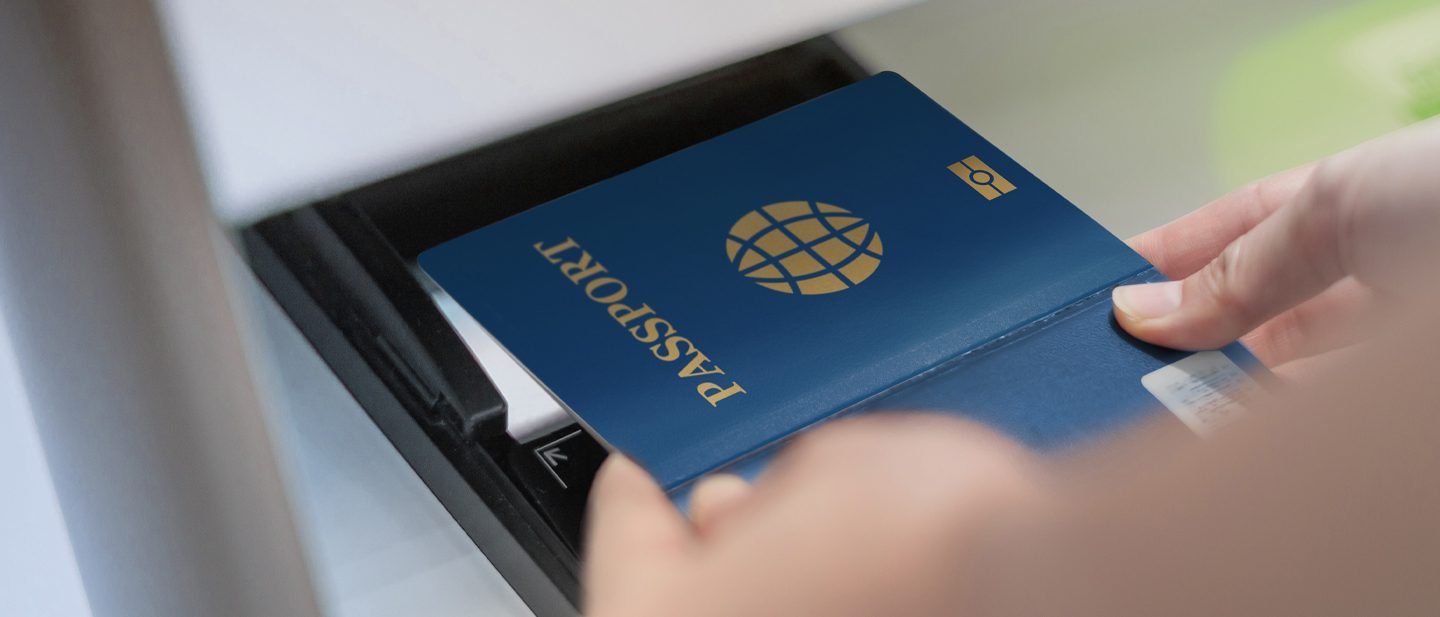
The Schengen agreement regulates the free movement of people within the Schengen area. The agreement allows easier travel between the Schengen Member States. This means that there are no regular border checks between Schengen States.
However, all travelers (including children and infants) must be able to provide a valid travel document at all times (e.g. passport or ID card). Driving licenses, bank and credit cards or similar documents are not recognized as valid travel documents or proof of identity.
All foreign visitors (non EU nationals) may stay in the Schengen area for a maximum of 90 days from the day of entry (within a 180-day period). A visa might be required depending on the traveler’s nationality and the purpose of visit.
More information can be obtained at any Schengen Member states’ embassy. Detailed information about entry regulations, passport requirements and recent changes in specific countries is also available on the IATA Travel Centre website.